

Blog
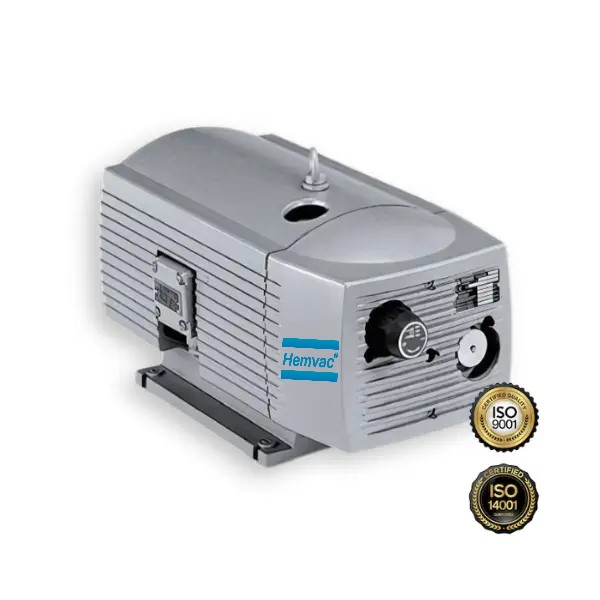
Hemvac Vacuum Pump User Guide

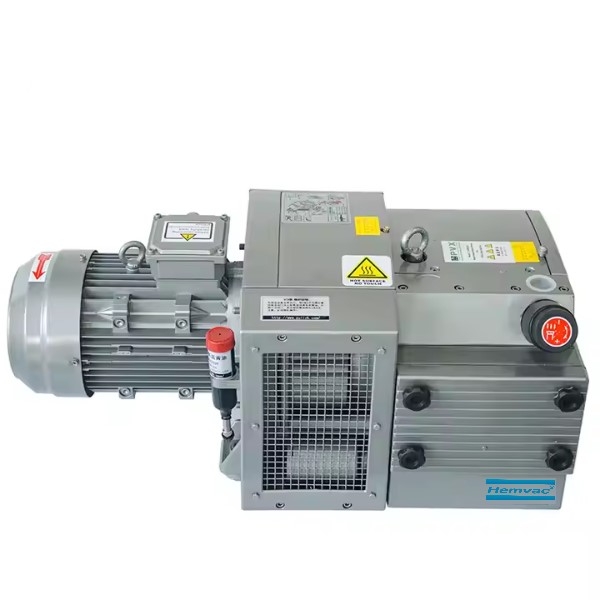
Hemvac Vacuum Pump Guide – Instructions and Recommendations
Hemvac vacuum pumps are robust, efficient machines designed for industrial, laboratory, and commercial applications. Below, we explain how to use them correctly to ensure maximum performance and durability.
1. Initial Installation
Installation site:
- Well-ventilated area, free from dust, excess humidity, or corrosive vapors
- Stable and level surface to avoid vibrations
Connections:
- Ensure all pipes and hoses are tightly sealed to prevent leaks
- Use inlet filters when working with particles or contaminated vapors
Power supply:
- Make sure the voltage matches the equipment’s specifications
- Use a voltage protector if there are electrical fluctuations
2. Startup
Lubricated (oil-filled) pumps:
- Check the oil level (using the sight glass or dipstick)
- Fill with Hemvac-recommended oil (never mix different types)
- Start the pump with partial vacuum (gradually close the inlet valve)
Dry (oil-free) pumps:
- Ensure the vacuum chamber is free of debris
- Start in test mode to verify proper operation
3. Operation and Maintenance
During operation:
- Monitor the vacuum pressure (avoid overloads)
- For liquid ring pumps, check the level and quality of the liquid (water or special solution)
Preventive maintenance:
✔ Oil change every 500–1000 hours for lubricated pumps
✔ Filter cleaning weekly or based on use
✔ Seal and gasket inspection to prevent leaks
4. Safety and Precautions
- Never operate the pump dry (without oil or sealing liquid)
- Avoid suction of corrosive or explosive gases without proper filters
- Always turn off the pump before performing maintenance
5. Common Applications
- Food industry: Vacuum packaging, dehydration
- Laboratories: Gas extraction, filtration
- Medical sector: Sterilization, suction equipment
Need Technical Support?
sales@hemvacpumps.com
Visit our website for manuals and tutorial videos.
Related Posts
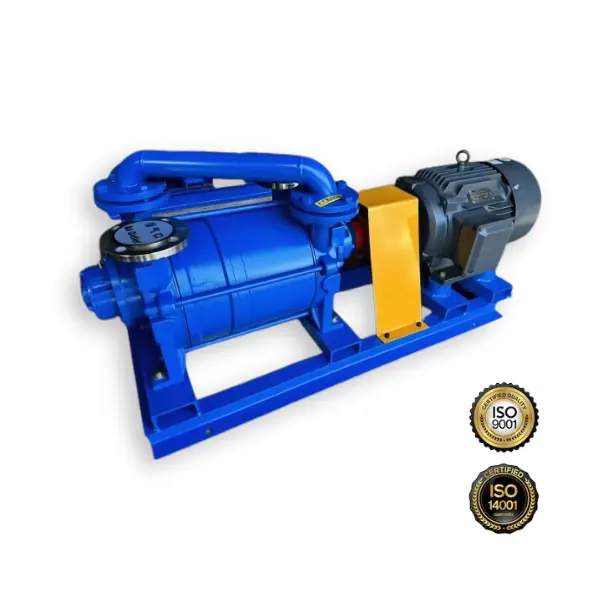
Industrial Vacuum Pumps – Hemvac
WE OFFER THE BEST HEMVAC VACUUM PUMPS FOR HEAVY-DUTY USE – HIGH EFFICIENCY AND DURABILITY
We provide the most robust ...
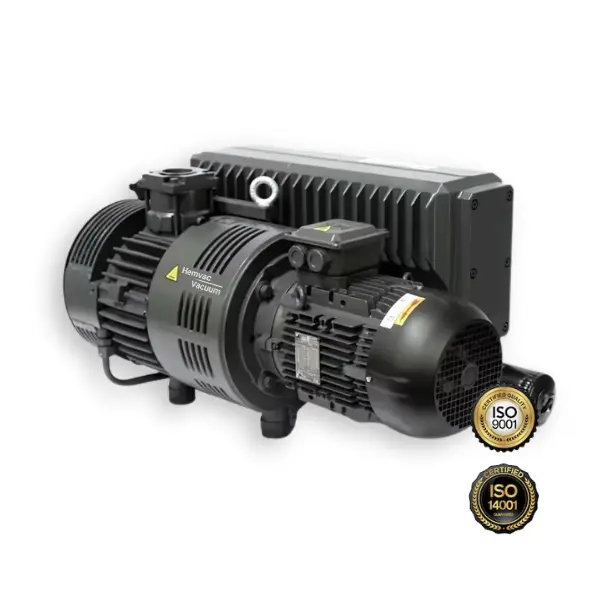
Hemvac Vacuum Pumps for the Food Industry
Hemvac Vacuum Pumps for the Food Industry – Hygiene, Efficiency, and Safety
In the food industry, precision and hygie...
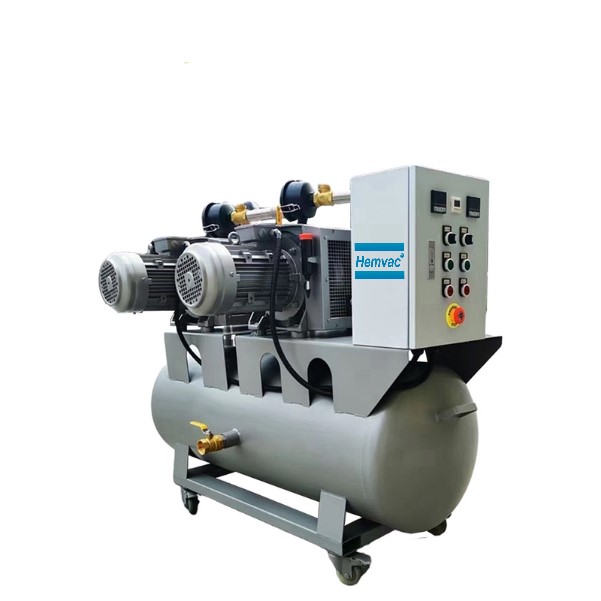
HEMVAC Medical Vacuum Systems
Venta, Mantenimiento y Reparación de Sopladores industriales Alquiler y venta de sopladores
Spare Parts for Hemvac Vacuum Pumps
Genuine and Compatible Vacuum Pump Spare Parts Supply
At Hemvac, we maintain a permanent stock of spare parts for Hem...


